
Mole Control in Cape Town
Fresh soil mounds or raised tunnels appearing in your lawn? We assess the activity and discuss suitable options for your garden or grounds.
What is commonly called a “mole problem” may involve a golden mole or a mole-rat. Understanding which animal is responsible is an important first step.
A considered approach to lawns, gardens and landscaped grounds.
What Has Changed in Your Garden?
Tell us what you have noticed, where it is happening and whether new disturbance is appearing.
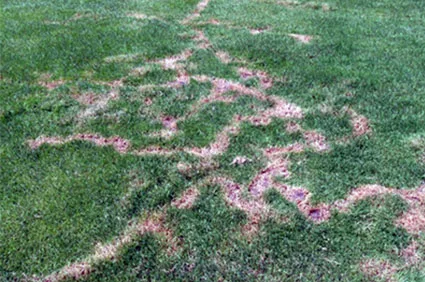
Raised Surface Runs
Raised lines through soil or grass can indicate tunnelling close to the surface. The pattern helps guide our assessment.
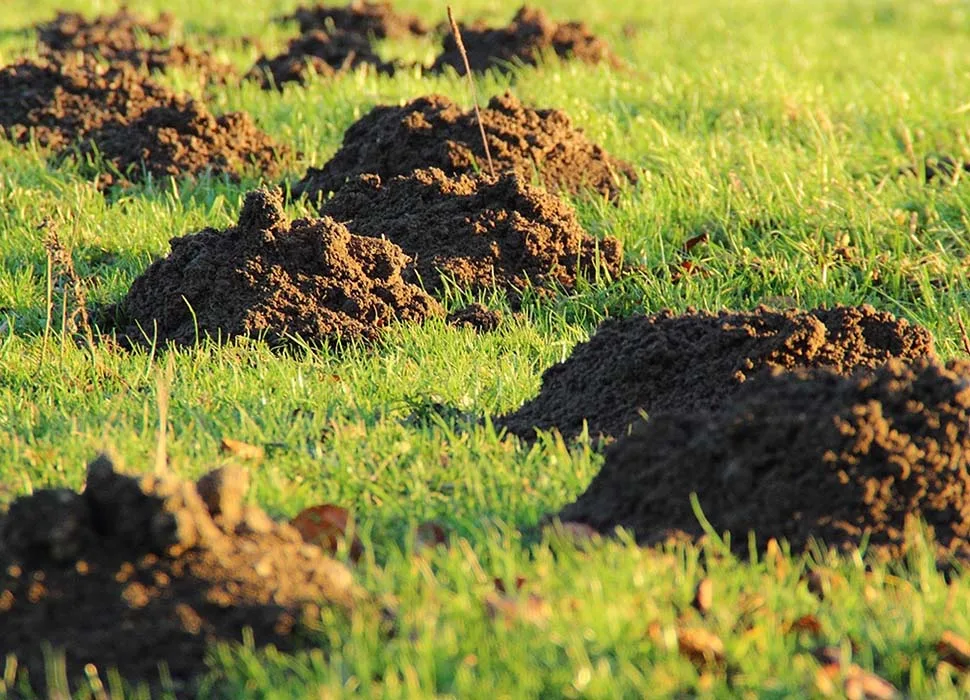
Fresh Soil Mounds
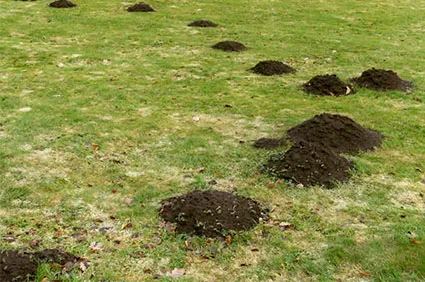
New piles of soil may indicate ongoing underground activity. Their size and distribution provide useful clues.
Affected Lawns and Planting
Let us know about disturbed lawn surfaces or damage around bulbs and roots, along with the areas you most want to protect.
Golden Moles and Mole-Rats
Golden moles and mole-rats are different groups of animals with different feeding habits. An appropriate response starts with identifying the activity.
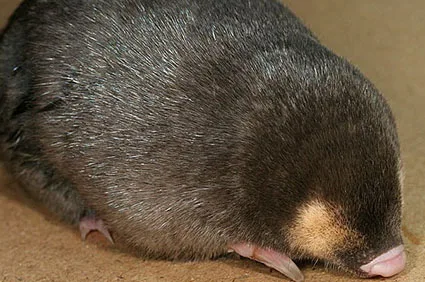
Cape Golden Mole
Golden moles feed on insects and other small soil-dwelling animals, including earthworms.
Their shallow tunnelling can leave raised runs through lawns and soil. They are not plant-eating rodents.
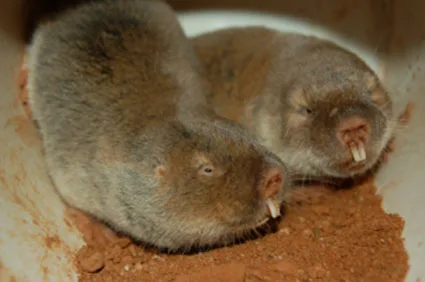
Common Mole-Rat
Common mole-rats are burrowing rodents that feed on underground plant parts, including bulbs and tubers.
They may occur in gardens and landscaped grounds, where their digging brings soil to the surface.
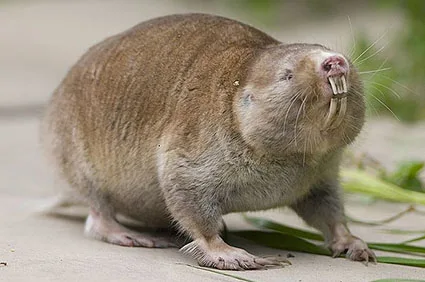
Cape Dune Mole-Rat
This large mole-rat occurs in sandy and loamy soils, including coastal areas of the Cape.
Its underground activity can produce substantial soil mounds and disruption to the lawn surface.
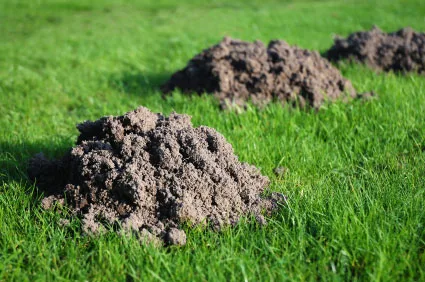
These photographs are a guide, not a definite identification of the animal at your property. Photos of fresh activity can help us discuss the next step.
The Right Approach for Your Grounds
A few surface runs and extensive mole-rat activity may call for different responses. We assess the disturbance and discuss what you want to achieve.
We also consider how the space is used, including children playing on the lawn, pets in the garden and wildlife visiting the property.
Registered with the Department of Agriculture
Dead Easy Pest Control is registered with the Department of Agriculture. Registration details are available on request.
Assess the Activity
We look at the affected areas, the pattern of disturbance and signs of recent activity.
Discuss Suitable Options
We explain the proposed method, its limitations and the precautions needed for your property.
Explain the Next Steps
We discuss what to look for after treatment and when to contact us about further activity.
Protecting Your Garden With Care
Burrowing animals are part of the local environment, even when their activity becomes a problem in a carefully maintained garden.
We consider the animal involved, the extent of the disturbance and the suitability of the available methods before recommending a response.
Tell us about children, pets and wildlife concerns so these can form part of the discussion from the start.
Your Mole Control Questions
Are golden moles and mole-rats the same animal?
No. Golden moles feed on small animals in the soil, while mole-rats are plant-eating rodents. Understanding the difference helps guide the response.
Can you identify the problem from a photograph?
Photographs of fresh mounds, surface runs and affected planting can be useful. We may still need to inspect the property before identifying the cause and recommending treatment.
Does every sign of activity need treatment?
Not necessarily. The response depends on the animal involved, the extent of the disturbance and how it affects your use of the garden or grounds.
What if my children or pets use the lawn?
Tell us when you enquire. We take this into account when assessing options and explain any restrictions on access before and after the work.
How much does mole control cost?
Contact us with your suburb, the approximate area affected and a description of the activity. We can discuss how we can assist and provide an obligation-free quote. Service charges will be explained before you agree to the work.
Get Help With Mole Activity
Tell us where your property is located, what the disturbance looks like and how long it has been happening.
We can explain our service, discuss how we can assist and provide an obligation-free quote.
Photos of fresh mounds or raised surface runs are helpful and can be sent on WhatsApp. Please also mention children, pets and any wildlife concerns.
Request a Callback or Quote
Include your suburb and a brief description of the affected lawn or garden.